ChatGPT Ads: A Strategic Preparation Guide for Digital Media Leaders

Why ChatGPT Ads Matter for Modern Paid Media Strategies
For more than a decade, paid media strategy has revolved around a familiar triangle: search, social, and marketplaces. Each new platform promised incremental reach, but rarely forced a fundamental rethink of how demand is created, influenced, and measured. ChatGPT advertising signals a different kind of shift.
As conversational AI becomes a default interface for discovery, evaluation, and decision-making, advertising is moving closer to the moment of intent itself. For brands whose growth depends heavily on paid media and funnel-based marketing, this is not a trend to observe from the sidelines. It has now become a structural change that requires early preparation, sharper measurement discipline, and executive-level ownership.
ChatGPT Ads: What OpenAI Has Announced and What Remains Unclear
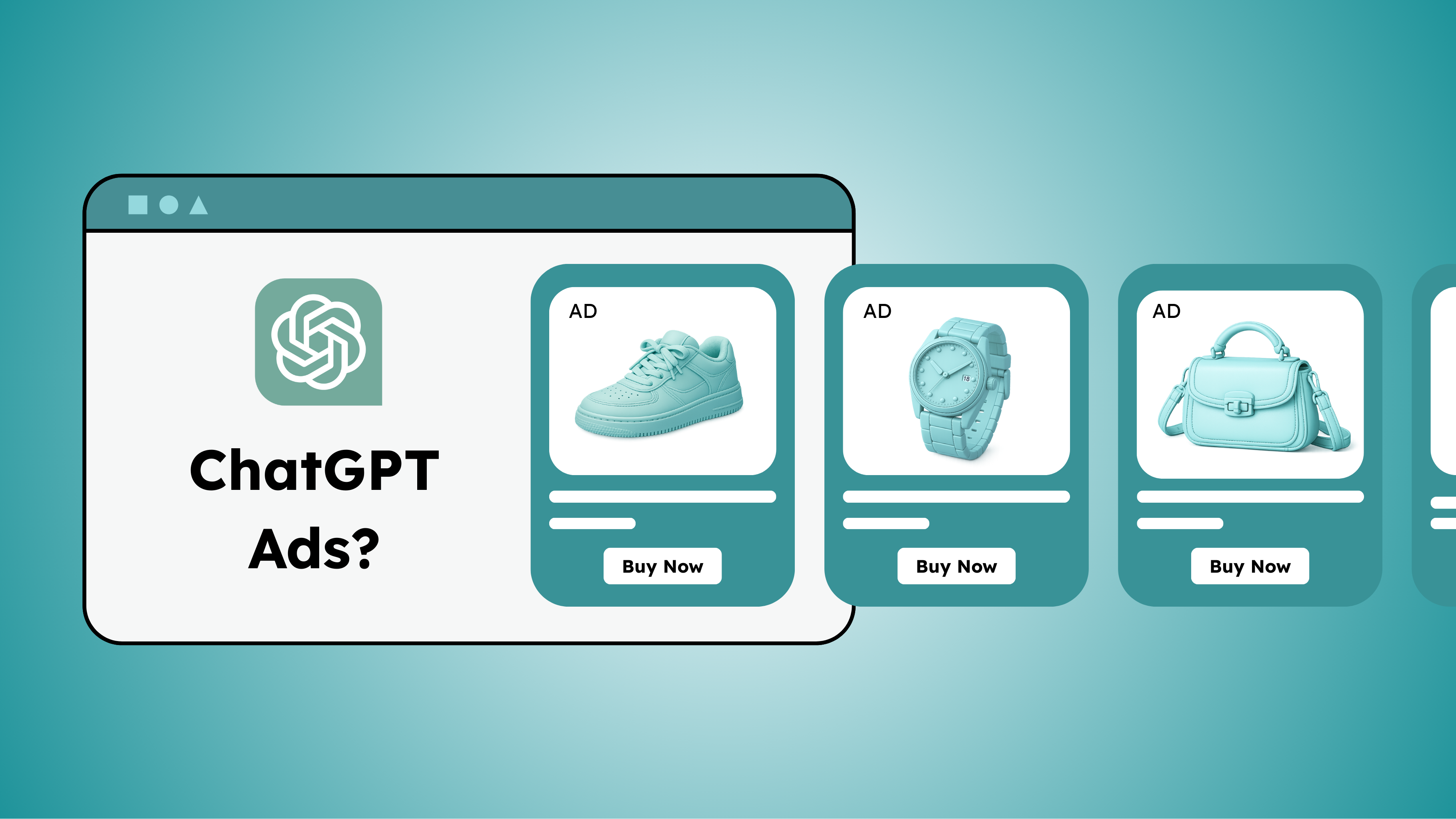
OpenAI has confirmed that ads are being introduced into ChatGPT, beginning with controlled rollouts in the US. The company has been clear on a few foundational principles, while leaving significant room for evolution.
First, ads are designed to support access and scale, not replace the core user experience. OpenAI has stated that advertising will be clearly labelled and separated from organic responses, with no ads injected directly into the model’s generated answers. Instead, ads are expected to appear in designated placements within the interface.
Second, user trust remains central. OpenAI has emphasised that personal conversations will not be sold to advertisers, and ad targeting will rely on limited signals rather than deep conversational history. This positions ChatGPT ads closer to contextual relevance than hyper-personalised social targeting.
Third, the format and aesthetics are intentionally conservative. OpenAI CEO Sam Altman has previously expressed discomfort with intrusive advertising models, noting last year that he does not like the “aesthetics of ads” when they degrade user experience. That statement continues to shape expectations: ads are likely to be minimal, utility-driven, and closely tied to user intent rather than attention capture.
The most important takeaway for marketing leaders is uncertainty. OpenAI has been explicit that everything can change. Formats, targeting, pricing, and measurement standards are still evolving. Early advertisers should expect experimentation, constraints, and rapid iteration rather than a mature media product on day one.
How ChatGPT Ads Will Change the Paid Media Landscape
1. How ChatGPT Ads Move Intent Earlier in the Funnel
ChatGPT collapses research, comparison, and recommendation into a single conversational flow. This moves high-intent moments earlier in the customer journey, challenging traditional distinctions between upper-funnel and lower-funnel media. Brands that rely on paid search to capture demand may see competition move into earlier, advisory-style interactions.
2. Why Contextual Relevance Will Matter More in ChatGPT Ads
As third-party cookies continue to fade and platform-level targeting tightens, contextual relevance is becoming a primary lever again. ChatGPT ads are expected to reward brands that align messaging tightly to user questions, problems, and decision frameworks, rather than broad audience profiles.
3. Measuring ChatGPT Ads Requires New Attribution and Incrementality Models
Conversational interfaces do not map cleanly to last-click attribution. Expect delayed conversions, assisted influence, and indirect impact. This will increase pressure on incrementality testing, lift studies, and blended measurement approaches such as MMM, especially for brands with complex funnels.
4. Limited Inventory and Higher Competition in ChatGPT Advertising
ChatGPT is not an infinite feed. Inventory will be limited, competition will be intense, and poor creative will be immediately obvious. This favours brands with strong value propositions, clear differentiation, and disciplined messaging over brute-force budget scale.
A Step-by-Step Framework for CMOs Preparing for ChatGPT Ads
Step 1: Position ChatGPT Ads as a Strategic Growth Channel
This is not another performance lever to hand off to junior teams. ChatGPT ads sit at the intersection of brand, product, and performance. CMOs should define the role of conversational AI advertising within the broader growth strategy before budgets are assigned.
Conversational environments influence not only where they click but also how people think. Treating ChatGPT ads as a tactical performance add-on risks misalignment between brand promise, product truth, and media execution.
When leadership defines the strategic role upfront, teams can decide whether the objective is demand creation, consideration shaping, competitive displacement, or conversion support. This clarity protects budgets from short-term optimisation pressure and ensures early tests generate learning, not noise. As inventory remains limited and formats evolve, strategic intent will be the difference between controlled experimentation and fragmented spend that delivers little organisational insight.
Step 2: Strengthen Measurement and Incrementality for ChatGPT Ads
If your organisation still relies primarily on platform-reported ROAS, ChatGPT ads will expose the gaps. Invest now in incrementality testing, conversion lift studies, and profit-based KPIs. The goal is to understand causal impact, not just credited conversions.
Conversational ads rarely trigger immediate, easily attributed conversions. Their influence is often indirect, shaping preferences, narrowing options, or validating decisions that convert later through other channels. Without a causal measurement framework, these effects will either be undervalued or misattributed elsewhere. This leads to premature budget cuts or false confidence. Pressure-testing measurement now forces organisations to confront how much growth is genuinely incremental versus conveniently reported. It also equips CMOs to defend investment decisions at board level, where profit, margin, and long-term growth matter more than channel-level efficiency optics.
Step 3: Audit Funnel Dependency in an AI-Led Discovery Environment
Brands heavily dependent on retargeting and branded search should assess how much demand is genuinely created versus captured. Conversational ads reward brands that influence decisions early. This may require reallocating budget from defensive tactics to demand-shaping activity.
ChatGPT reduces friction between curiosity and choice. If a brand’s funnel relies on users already knowing what to search for, it risks losing relevance when decisions are formed earlier in AI-led environments. Auditing funnel dependencies reveals where growth is vulnerable to upstream influence. This is not about abandoning performance efficiency, but about ensuring future demand exists to capture. Brands that invest only in harvesting intent may find that intent increasingly forms elsewhere. Early influence becomes a growth insurance policy, protecting market share as discovery behaviour evolves.
Step 4: Build Decision-Led Creative for Conversational Ads
ChatGPT ads will likely perform best when they help users decide, not just click. This means clear value articulation, strong proof points, and messaging that answers real questions. Creative strategy should be informed by customer objections, not just product features.
In conversational contexts, weak messaging is exposed instantly. There is no scroll, no distraction, and no volume to hide behind. Decision-led creative respects the user’s intent and contributes meaningfully to their thinking process. Brands that fail here can risk being ignored, dismissed, or excluded from consideration altogether. Investing in this type of creative also strengthens alignment between marketing and product teams, forcing clarity on differentiation and value. Over time, this raises the quality of all media output rather than just ChatGPT placements.
Step 5: Build Organisational Readiness for ChatGPT Advertising
Success will require closer collaboration between media, brand, analytics, and product teams. CMOs should establish clear ownership, testing roadmaps, and governance models so experimentation does not become fragmented or reactive.
New channels fail most often due to organisational friction, not media mechanics. Without clear ownership, teams can focus on short-term results, duplicate tests, or interpret outcomes inconsistently. Governance helps create discipline: defined hypotheses, shared success metrics, and documented learning. This allows organisations to compound insight rather than relearn the same lessons repeatedly.
As ChatGPT ads evolve, readiness will determine who adapts quickly and who hesitates. Structured experimentation turns uncertainty into advantage and positions leadership as proactive rather than reactive in an AI-shaped media landscape.
Final Thoughts: Preparing for Influence in an AI-First Media World
ChatGPT ads will not replace search or social overnight. Their impact will be gradual, uneven, and occasionally frustrating. That is precisely why preparation matters.
The brands that win will not be those who rush to spend, but those who understand how conversational AI reshapes influence, intent, and measurement. For digital media leaders, ChatGPT ads are less about buying a new placement and more about redefining how growth is earned in an AI-first world.
---
Need help navigating through emerging channels? Reach out to us.
Relevant Insights:
· Article: Will LLMs Replace Search Engines? How Brands Can Stay Visible in the AI Age
· Article: The AI Bubble in Paid Media: Will It Continue to Float or Finally Burst in 2026?
About Crealytics
Crealytics is an award-winning full-funnel digital marketing agency fueling the profitable growth of over 100 well-known B2C and B2B businesses, including ASOS, The Hut Group, Staples and Urban Outfitters. A global company with an inclusive team of 100+ international employees, we operate from our hubs in Berlin, New York, Chicago, London, and Mumbai.
EXPERT INSIGHTS